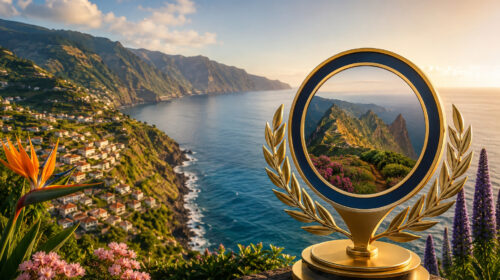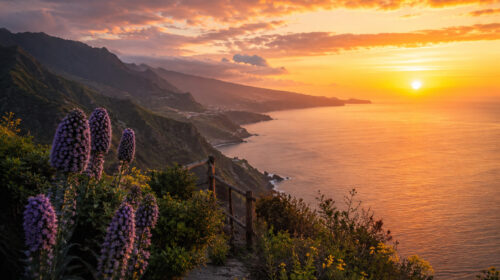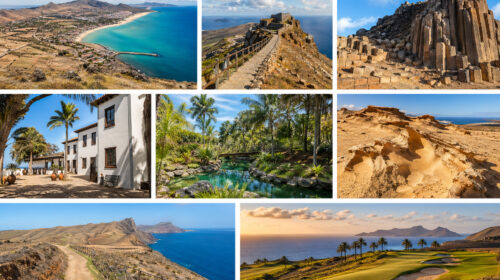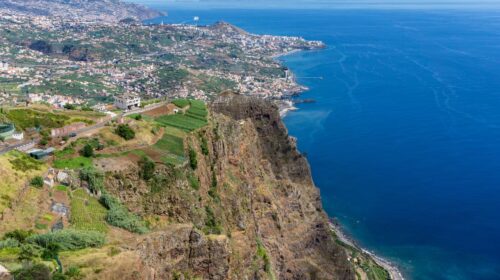

Anyone who has ever walked along a silent levada or gazed at the vastness of the Atlantic from the peak of Pico do Arieiro knows that the Island of Madeira possesses a magnetic magic.
This small volcanic territory is home to some of the most stunning and rare landscapes on the planet.
However, because it is an isolated insular ecosystem, achieving a Sustainable Madeira requires a delicate balance between economic growth and environmental preservation.
Today, the “Pearl of the Atlantic” is living through a historic turning point. Preserving this paradise for future generations requires an urgent collective commitment.
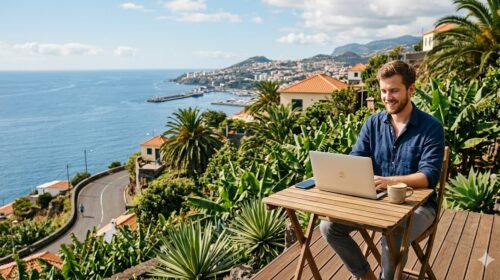
For travelers and digital nomads worldwide, supporting a Sustainable Madeira is no longer just an option—it is a responsibility.
The Laurissilva: The Cosmic Lung and the Water Cycle
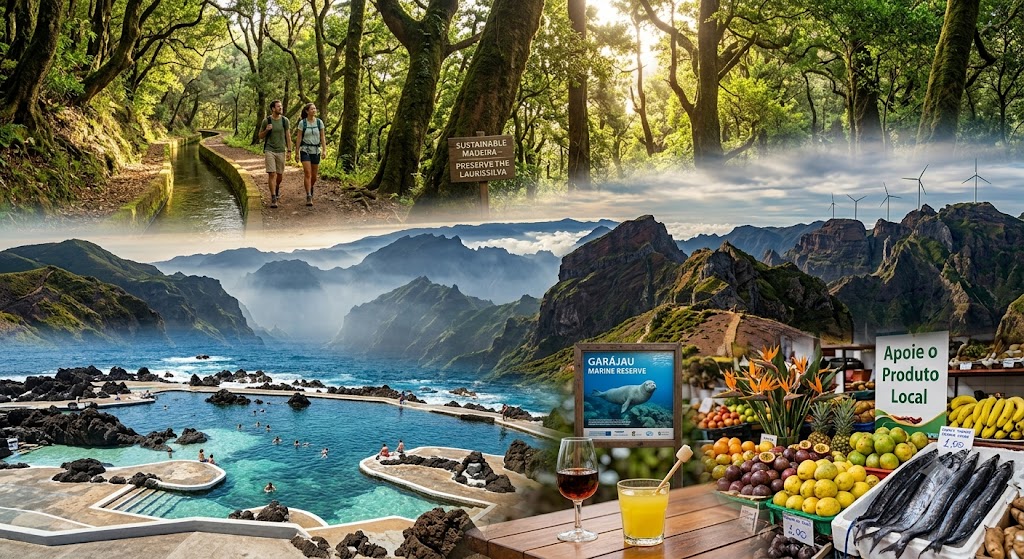
You cannot talk about the core pillars of a Sustainable Madeira without starting with its greatest crown jewel: the Laurissilva Forest. Classified as a UNESCO World Heritage site, this subtropical rainforest covers about 20% of the island and is a living relic dating back to the Tertiary Era.
Beyond its mystical beauty, the Laurissilva plays a vital ecological role through what is known as hidden precipitation.
The leaves of the ancient trees capture moisture from the frequent fogs, channeling water into the soil, replenishing aquifers, and feeding the vast network of levadas.
Protecting this forest from invasive species and wildfires is paramount to securing the water resources needed for a Sustainable Madeira.
Nature Tourism: The Challenge of Carrying Capacity
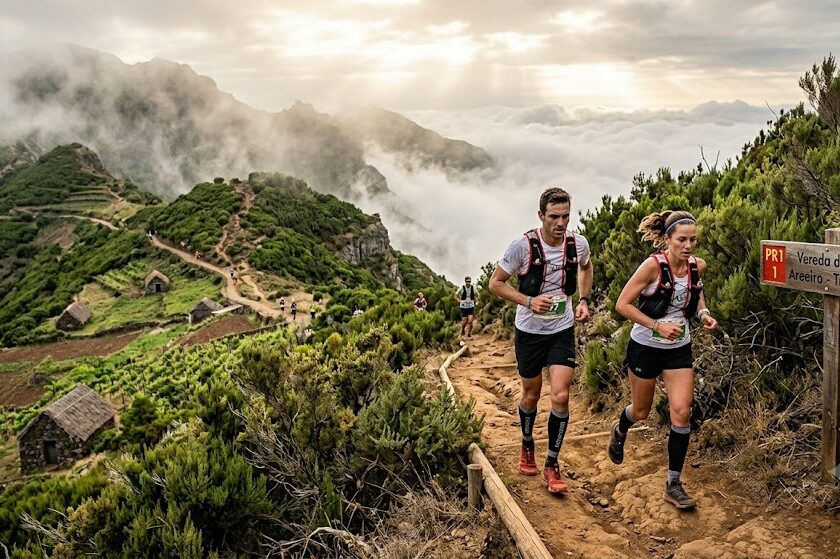
Madeira has become one of the most coveted hiking, mountaineering, and trail running destinations in the world.
However, tourism success brings a clear environmental responsibility. The daily passage of thousands of boots along the same trails causes accelerated soil erosion and disturbs local wildlife.
To maintain the vision of a Sustainable Madeira, the regional government and local communities have turned their focus toward intelligent management of the flow of people:
- Access control and monitoring: The implementation of symbolic ecological preservation fees on the most crowded trails (such as Ponta de São Lourenço or Caldeirão Verde) is a crucial step to mitigate environmental impact.
- The Leave No Trace philosophy: Educating visitors to bring their trash back and avoid feeding wild fauna is a fundamental practice that directly supports a Sustainable Madeira on a daily basis.
Energy Transition from the Levadas and the Wind
Being a geographically isolated island, Madeira historically relied on the import of fossil fuels to generate electricity. However, the archipelago has made pioneering investments in the transition to clean energy, taking advantage of its own natural resources.
The rugged terrain and the water running down the mountains are harnessed to generate electricity through pumped-storage hydroelectric plants.
Along with hydro energy, modern wind farms installed in the high, windy areas of Paúl da Serra are transforming the regional energy matrix. This green grid transition proves that a Sustainable Madeira is fully achievable through local innovation and clean technology.
Blue Sanctuaries: Protecting the Sea
The ecological footprint of this archipelago does not end at the coastline. The clear, temperate, and deep waters surrounding the island are home to whales, dolphins, turtles, and delicate coral colonies.
The creation of Marine Protected Areas has been a cornerstone of the Sustainable Madeira strategy.
The Garajau Natural Reserve and the strict protection around the Desertas and Selvagens Islands have successfully saved the monk seal from imminent extinction in the North Atlantic.
Today, these zones serve as a natural nursery for marine biodiversity, proving that conservation efforts are working.
How to Be an Eco-Friendly Traveler in Madeira?
Preserving Madeira does not only depend on major government policies; it relies heavily on the small daily actions of those who visit.
If you want to contribute to a Sustainable Madeira, here is how you can mitigate your footprint:
- Support the Circular Economy: Buy tropical fruits and vegetables directly from producers at local markets. Consume fresh fish caught through artisanal methods, such as the black scabbard fish caught with deep-sea longlines rather than trawling.
- Choose Certified Operators: When booking whale watching or canyoning activities, opt for companies that hold the official “Nature Tourism” seal and comply with strict ecological codes of conduct.
Frequently Asked Questions (FAQs)
What does the concept of a Sustainable Madeira actually mean?
A Sustainable Madeira refers to the collective initiative of government, residents, and tourists to protect the island’s unique and fragile ecosystems—such as the Laurissilva Forest and marine reserves—while promoting low-impact ecotourism and green energy.
Are there fees for hiking the levadas on the island?
Yes, as part of the strategy for a Sustainable Madeira, a symbolic ecological fee (around €3) is required for non-resident hikers on the most popular trails. This amount goes directly toward path maintenance and biodiversity conservation.
How can I get around the island in a more eco-friendly way?
To support a Sustainable Madeira, consider using the public bus network for traveling between major towns, or share rides and carpool with other travelers and digital nomads through local community networks.
Conclusion: A Pact for Future Generations
The Island of Madeira has proven over the centuries that resilience is part of its people’s DNA—the levadas themselves, carved into the rock by hand on dizzying cliffs, are proof of that determination. Now, the great challenge of our era is no longer to tame nature, but to conserve it.
Ensuring that the archipelago remains the “Island of Eternal Spring” fifty or a hundred years from now requires a continuous dedication to a Sustainable Madeira.
By protecting the primeval forest, the blue waters of the Atlantic, and local traditions, we ensure that this piece of paradise will continue to inspire the world with its untouched, eco-friendly beauty.