
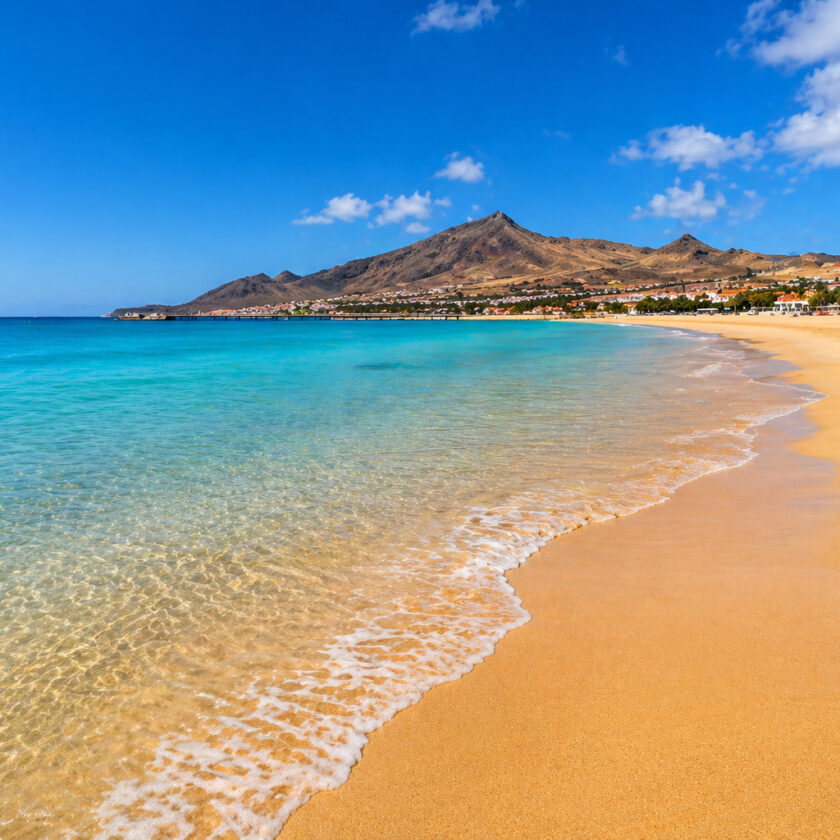
Porto Santo, part of the Madeira archipelago in Portugal, is widely known for its 9 km golden sandy beach. However, focusing only on the beach means missing much of what this small island has to offer.
In this guide, you’ll discover what to do in Porto Santo besides the beach, how to get there, and essential travel tips to help you plan a better trip.
How to Get to Porto Santo
There are two main ways to reach the island:
By plane
The fastest option is flying into Porto Santo Airport, with connections mainly from:
- Lisbon (direct flights)
- Madeira Island (Funchal) – about 15–20 minutes flight time
Flights are typically operated by regional airlines such as Binter Canarias, with seasonal variations depending on demand.
By ferry (Porto Santo Line)
The ferry service known as Lobo Marinho connects Funchal (Madeira) to Porto Santo.
- Duration: approximately 2h30 to 2h45
- Ideal for travellers who want to bring a car or enjoy a scenic sea journey
Tip: Sea conditions can vary, so check forecasts before booking if you are sensitive to motion.
What to Do in Porto Santo Besides the Beach
Although the beach is the main attraction, the island offers several cultural, natural, and scenic experiences worth exploring.
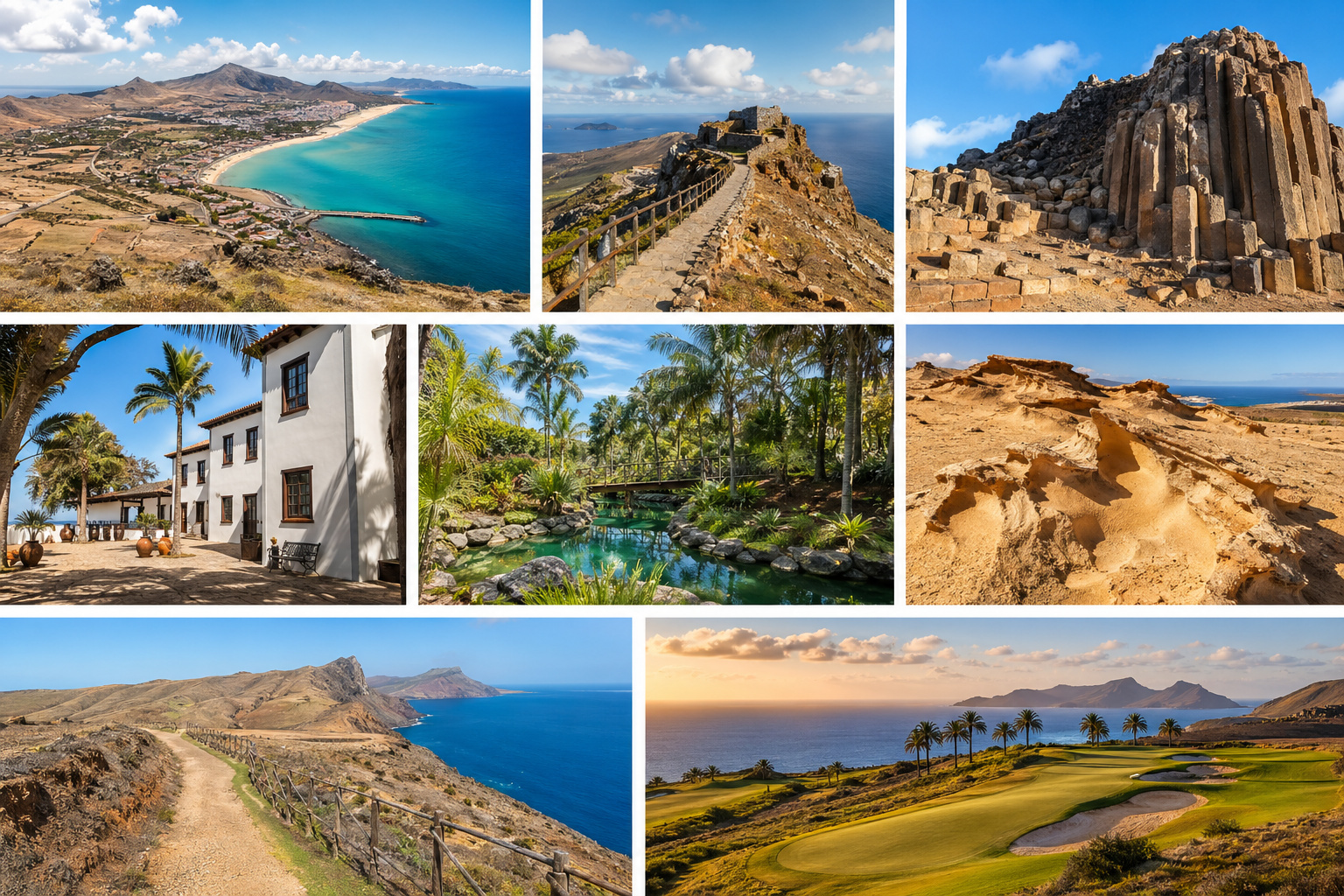
Pico do Castelo Viewpoint
Pico do Castelo offers one of the best panoramic views on the island. It sits in the inland mountainous area and provides a full view of Porto Santo’s coastline.
Historically, it was used as a defensive lookout against pirate attacks.
- Access: road close to the summit + short walk
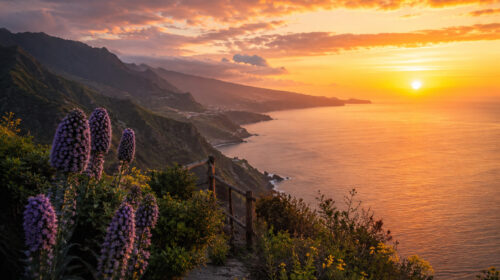
- Best for: sunrise and sunset photography
Pico Ana Ferreira Rock Formations
The Pico Ana Ferreira area is known for its impressive basalt columns and geological formations.
It is one of the most unique natural sites on the island and far less crowded than other attractions.
Tip: Wear comfortable shoes as the terrain is uneven.
Casa Colombo Museum
The Casa Colombo museum is dedicated to Christopher Columbus, who is believed to have lived in Porto Santo.
Highlights include:
- Exhibits on maritime exploration
- Historical navigation displays
- Insights into the Portuguese Age of Discoveries
It is small but culturally significant and worth a short visit.
Quinta das Palmeiras Botanical Garden
Quinta das Palmeiras is a surprising green oasis in an otherwise dry island landscape.
You’ll find:
- Tropical and subtropical plants
- Exotic birds
- A peaceful garden environment
It’s especially good for families or a relaxed afternoon visit.
Fonte da Areia
Fonte da Areia is a natural geological area shaped by wind erosion, creating unique sand formations.
It is quiet, less touristy, and ideal for photography or peaceful exploration.
Best time to visit: late afternoon for softer light conditions.
Zimbralinho Hiking Trail
The Zimbralinho trail is one of the most scenic hikes in Porto Santo.
- Difficulty: moderate
- Duration: 1–2 hours
- Highlights: cliffs, ocean views, hidden coastal spots
It shows a more rugged and natural side of the island.
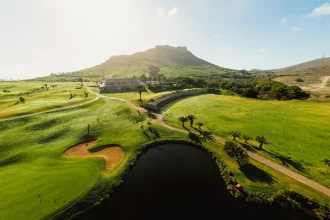
Porto Santo Golf Course
The Porto Santo Golf Course, designed by Seve Ballesteros, is one of the most scenic golf courses in Portugal.
- Ocean views throughout the course
- Suitable for different skill levels
- Peaceful environment even for non-players
Even if you don’t play golf, the landscape alone is worth seeing.
Local Food to Try
Food is another essential part of the Porto Santo experience:
- Grilled limpets (lapas)
- Bolo do caco with garlic butter
- Fresh grilled fish
- Madeira wine
Most restaurants offer simple but high-quality local cuisine.
Travel Tips for Visiting Porto Santo
Best time to visit
- Summer: warm and dry, ideal for outdoor activities
- Spring/Autumn: fewer crowds, pleasant temperatures
- Winter: windier and less stable weather
Renting a car
Although the island is small, renting a car is highly recommended:
- Easy access to viewpoints and hiking areas
- More flexibility for exploring
Climate conditions
Porto Santo is dry and windy compared to Madeira:
- Use strong sunscreen
- Stay hydrated
- Expect wind even in summer
Payments and services
- Cards are widely accepted
- ATMs are available in the main town
- Infrastructure is simple and easy to navigate
How long to stay
- 2–3 days: enough for main highlights
- 4–5 days: relaxed pace with hiking and exploration
FAQs about Porto Santo
Is Porto Santo only about the beach?
No. While the beach is the main attraction, the island also offers hiking trails, viewpoints, cultural sites, a golf course, and unique natural formations.
How do I get from Madeira to Porto Santo?
You can travel by plane (around 15–20 minutes) or by ferry (approximately 2h30–2h45 from Funchal).
Is Porto Santo worth visiting for more than one day?
Yes. Staying at least 2–3 days allows you to explore viewpoints, hiking trails, and cultural attractions beyond the beach.
Do I need a car in Porto Santo?
It is not mandatory, but highly recommended if you want to explore viewpoints, trails, and remote areas comfortably.
What is Porto Santo known for besides its beach?
It is known for its volcanic landscapes, hiking trails like Zimbralinho, Casa Colombo museum, and panoramic viewpoints such as Pico do Castelo.
When is the best time to visit Porto Santo?
The best time is between May and September for warm weather, but spring and early autumn offer fewer crowds and pleasant conditions.