

Planning a trip across Japan can feel overwhelming, especially for first-time visitors. Between navigating train systems, choosing the best places to stay, and deciding which attractions are truly worth visiting, creating the perfect itinerary requires careful preparation.
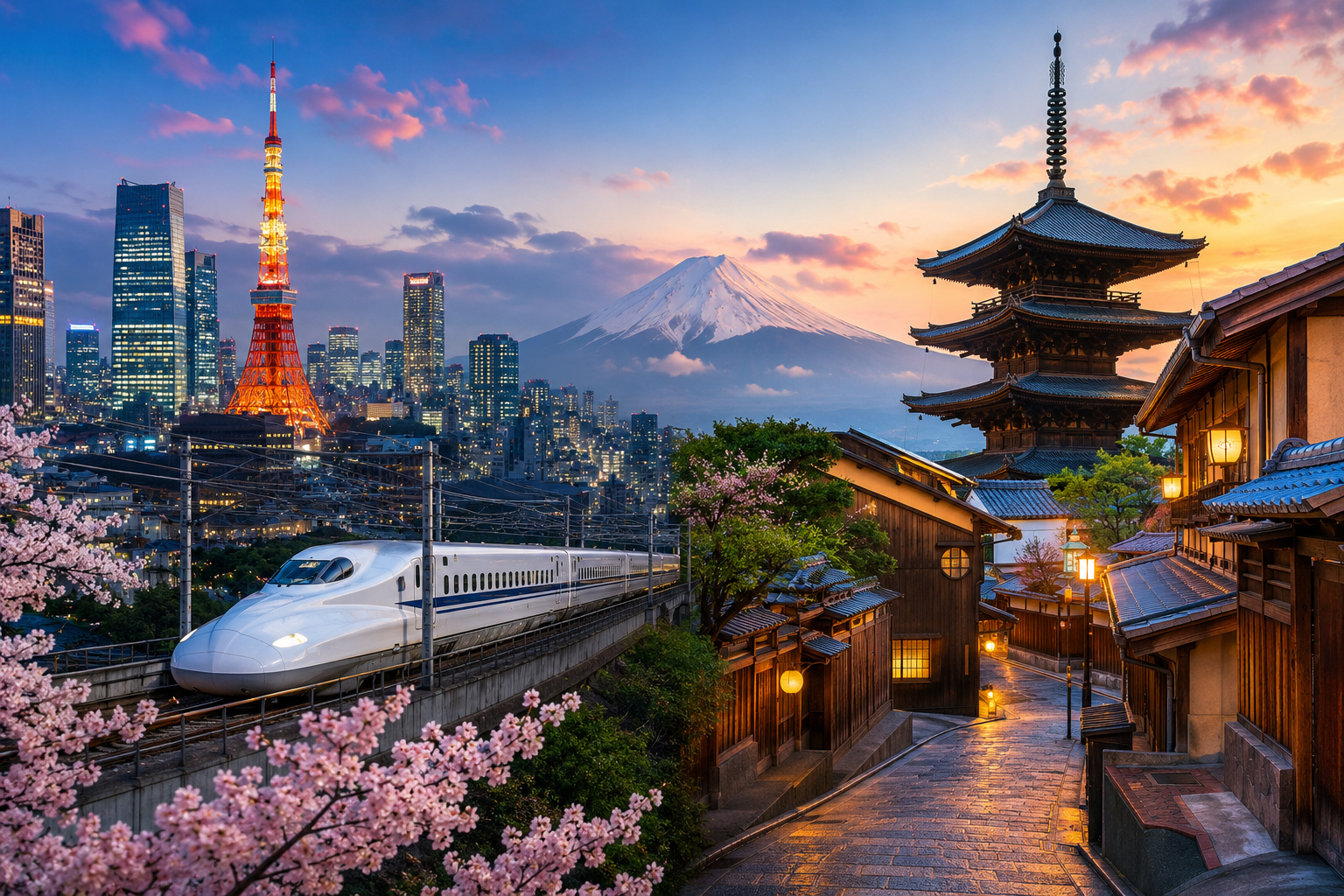
One of the most popular travel routes in the country is the journey from Tokyo to Kyoto, combining futuristic city life with centuries of Japanese tradition.
This guide offers a practical and detailed itinerary for travellers exploring Japan, including transport tips, accommodation advice, must-see attractions, cultural experiences, and the importance of having reliable internet access through a Japan portable WiFi device throughout the journey.
Why Travel from Tokyo to Kyoto?
Few countries offer contrasts as fascinating as Japan. Tokyo represents innovation, speed, technology, and modern urban life, while Kyoto preserves ancient temples, traditional tea houses, shrines, and historic streets that showcase the country’s cultural heritage.
Travelling between these two cities allows tourists to experience the best of both worlds in one unforgettable trip.
For most travellers, spending around 8 to 12 days exploring Tokyo, Kyoto, and nearby destinations creates the ideal balance between sightseeing and relaxation.
Arriving in Tokyo
Most international visitors arrive at either Narita International Airport or Haneda Airport. Haneda is closer to the city centre, making transfers quicker and more convenient.
Best Areas to Stay in Tokyo
Choosing the right neighbourhood can significantly improve the travel experience.
Shinjuku
One of the best areas for first-time visitors. It offers excellent transport connections, shopping, nightlife, restaurants, and easy access to major attractions.
Shibuya
Famous for the iconic crossing, trendy shops, and vibrant atmosphere.
Asakusa
Perfect for travellers interested in traditional Tokyo, temples, and quieter surroundings.
Ginza
Ideal for luxury shopping and upscale dining experiences.
Tokyo accommodation options include:
- Luxury hotels
- Capsule hotels
- Traditional ryokans
- Budget hostels
- Modern apartments
Booking accommodation near a major train station saves considerable travel time during the trip.
Must-See Attractions in Tokyo
Tokyo is enormous, so planning attractions by area helps maximize time.
Shibuya Crossing
One of the world’s busiest pedestrian crossings and a symbol of modern Tokyo.
Senso-ji Temple
Located in Asakusa, this historic Buddhist temple attracts millions of visitors every year.
Tokyo Skytree
Offering panoramic city views, this observation tower is especially impressive at sunset.
Meiji Shrine
A peaceful forested shrine located near Harajuku.
Akihabara
A paradise for anime, gaming, and electronics enthusiasts.
Experiencing Japanese Food Culture
Food is one of the highlights of any Japan itinerary.
In Tokyo, visitors should try:
- Sushi
- Ramen
- Tempura
- Yakitori
- Tonkatsu
Local izakayas offer authentic dining experiences where small dishes are shared alongside drinks.
Convenience stores in Japan also surprise many tourists with their high-quality meals and snacks.
Travelling from Tokyo to Kyoto
The most efficient way to travel between Tokyo and Kyoto is by using the Shinkansen, Japan’s famous bullet train network.
Taking the Shinkansen
The journey usually takes between 2 hours and 15 minutes to 2 hours and 40 minutes depending on the service selected.
Main train types include:
- Nozomi (fastest)
- Hikari
- Kodama (more stops)
The trains are extremely punctual, clean, comfortable, and easy to use even for international tourists.
Booking reserved seats is recommended during busy travel seasons such as spring cherry blossom season and autumn foliage periods.
Is the Japan Rail Pass Worth It?
The Japan Rail Pass can provide excellent value depending on the itinerary.
Travellers visiting multiple cities such as:
- Osaka
- Hiroshima
- Nara
- Kobe
may save money with the pass.
However, tourists only travelling between Tokyo and Kyoto may find individual tickets more economical.
Comparing total train costs before purchasing the pass is highly recommended.
Arriving in Kyoto
Kyoto feels completely different from Tokyo. The slower pace, traditional architecture, temples, and quiet streets create a calmer and more cultural atmosphere.
Once the imperial capital of Japan, Kyoto remains one of the country’s most important historical destinations.
Best Places to Stay in Kyoto
Gion
Kyoto’s famous geisha district and one of the most atmospheric areas in the city.
Kyoto Station Area
Convenient for transport and day trips.
Higashiyama
Ideal for traditional streets, temples, and historic scenery.
Kawaramachi
Excellent for shopping, restaurants, and nightlife.
Travellers seeking a more authentic Japanese experience often choose traditional ryokans featuring tatami floors, futon beds, and onsen baths.
Top Attractions in Kyoto
Kyoto offers hundreds of temples and shrines, but some stand out as essential visits.
Fushimi Inari Taisha
Known worldwide for its thousands of red torii gates winding through the mountains.
Kinkaku-ji (Golden Pavilion)
One of Japan’s most photographed landmarks.
Arashiyama Bamboo Grove
A peaceful bamboo forest that has become one of Kyoto’s iconic attractions.
Kiyomizu-dera
A historic temple offering incredible views across the city.
Gion District
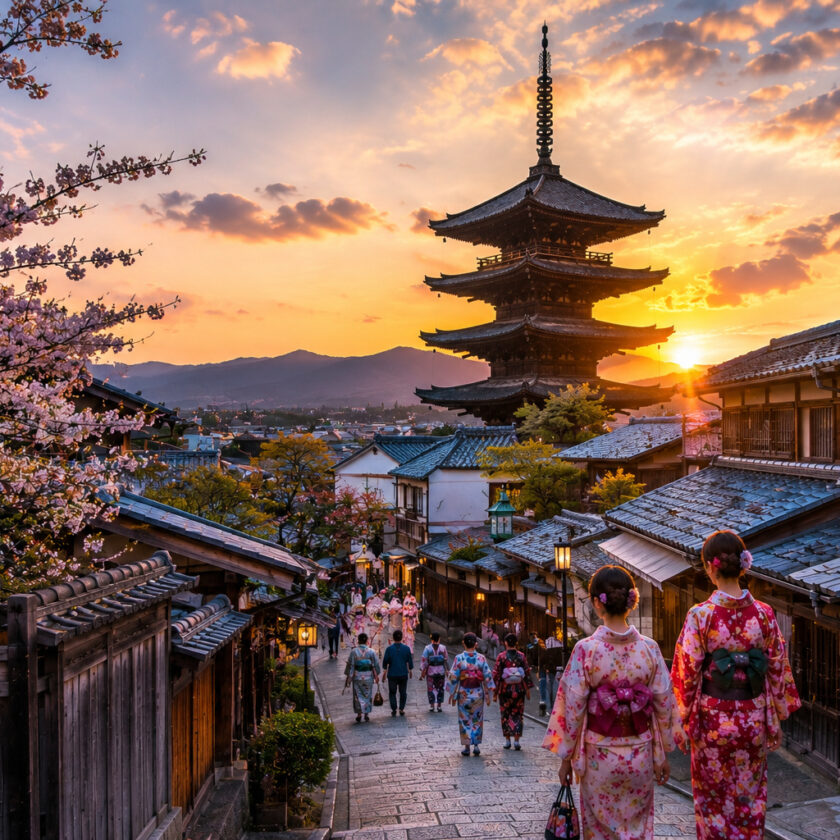
Famous for preserved wooden buildings, tea houses, and occasional geisha sightings.
Day Trips from Kyoto
Kyoto’s location makes it perfect for exploring nearby destinations.
Osaka
Only around 30 minutes away by train, Osaka is famous for:
- Street food
- Dotonbori nightlife
- Shopping
- Osaka Castle
Nara
Known for its friendly deer park and impressive temples.
Both destinations can easily be visited as day trips from Kyoto.
Why Japanese Portable WiFi Is Essential
One of the most important travel tools in Japan is reliable internet access. Many tourists underestimate how useful a portable WiFi device can be during the trip.
Although Japan is highly advanced technologically, free public WiFi is not always reliable or easy to access.
Navigation and Transport
Japanese train stations can be extremely complex. Navigation apps such as Google Maps are essential for:
- Finding platforms
- Checking train schedules
- Identifying transfers
- Navigating exits
Translation Apps
Many signs, menus, and local businesses still primarily use Japanese.
Translation apps become incredibly useful for:
- Reading restaurant menus
- Understanding instructions
- Communicating with locals
- Translating signs
Online Reservations
Travellers frequently rely on internet access for:
- Booking attractions
- Confirming hotel reservations
- Purchasing train tickets
- Using QR codes
- Accessing digital boarding passes
Staying Connected
Portable WiFi allows travellers to stay connected throughout the journey without depending on unstable public networks.
It is particularly useful for:
- Families
- Couples
- Remote workers
- Content creators
Many portable WiFi devices support multiple simultaneous connections, making them practical for group travel.
Cultural Tips for Travellers
Understanding Japanese etiquette improves the travel experience significantly.
Respect Quiet Spaces
Speaking loudly on trains is generally considered impolite.
Cash Still Matters
Although card payments are increasingly common, many smaller establishments still prefer cash.
Remove Shoes
Many traditional accommodations, temples, and restaurants require visitors to remove shoes.
Queue Properly
Japanese society values order and politeness, especially in stations and public transport areas.
Best Time to Visit Japan
Spring
Cherry blossom season attracts huge numbers of tourists and offers breathtaking scenery.
Autumn
Autumn foliage creates spectacular landscapes around temples and gardens.
Summer
Hot and humid, but full of traditional festivals and fireworks.
Winter
Fewer crowds and beautiful snowy scenery in certain regions.
Final Thoughts
Travelling from Tokyo to Kyoto offers one of the most rewarding experiences in Japan. From neon-lit skyscrapers and high-speed trains to ancient temples and peaceful bamboo forests, the journey showcases the country’s incredible diversity.
Careful planning, efficient use of Japan’s transport system, and reliable portable internet can make the trip far smoother and more enjoyable. Staying connected helps travellers navigate unfamiliar cities, use translation apps, manage bookings, and confidently explore every destination along the way.
For tourists looking to experience both modern and traditional Japan in a single itinerary, the route from Tokyo to Kyoto remains the perfect adventure.