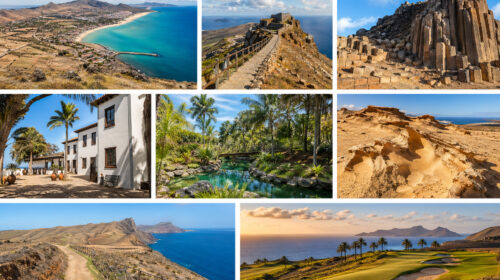

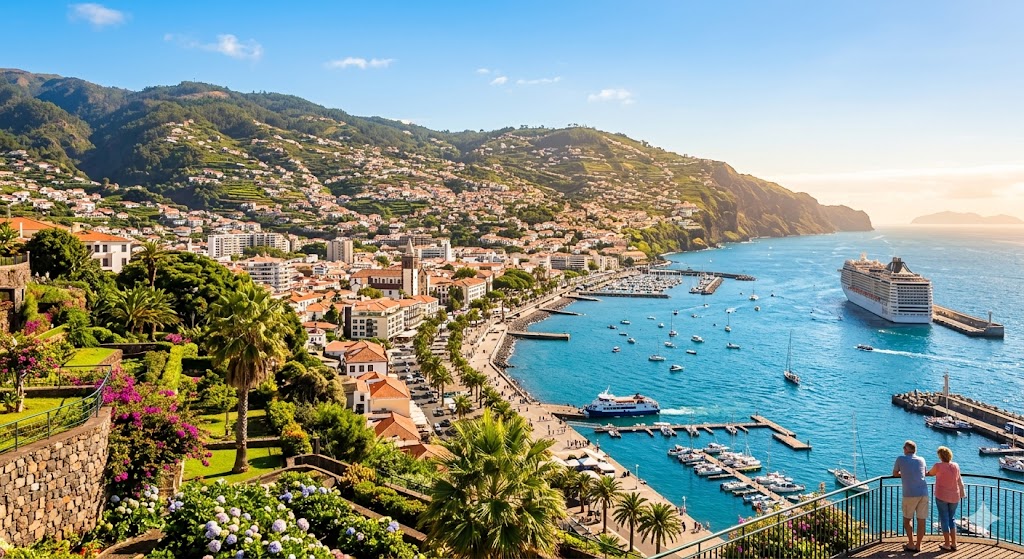
Madeira Island is known for its dramatic landscapes, lush vegetation and, of course, its enviable weather.
Located in the middle of the Atlantic Ocean, this Portuguese island enjoys a mild and pleasant climate throughout the year — making it a perfect destination for nature lovers, hikers, beachgoers and those looking for a relaxing getaway at any time.
But what exactly can you expect from the weather in Madeira, month by month? Let’s dive into the details and discover the best times to visit, what to pack and how the climate changes across the island.
A Subtropical Climate: Mild, Balanced, Beautiful
Thanks to its subtropical positioning, Madeira benefits from mild winters and warm summers.
The average annual temperature hovers around 19°C to 24°C, with slight variations between coastal areas and the mountains. Rain is more common between October and March, especially in the north and higher altitudes, but it rarely lasts all day.
The best part? The sun shines more often than not — and even during the rainiest days, you can usually find pockets of sunshine just a short drive away.
Weather by Season: What to Expect
Spring (March to May)
Spring is one of the most beautiful times to visit Madeira. With flowers blooming across the island (especially during the Festa da Flor), the weather is warming up, and the landscapes are bursting with colour.
Temperatures range from 17°C to 22°C, with occasional showers that freshen the air and keep the island green.
Ideal for: hiking, sightseeing, photography, garden lovers.
Summer (June to August)
Summer in Madeira is warm but not overly hot, thanks to the ocean breeze and mountain influence.
Temperatures average between 22°C and 26°C, with low humidity. Rain is rare, skies are clear, and the sea temperature becomes inviting, hovering around 22°C.
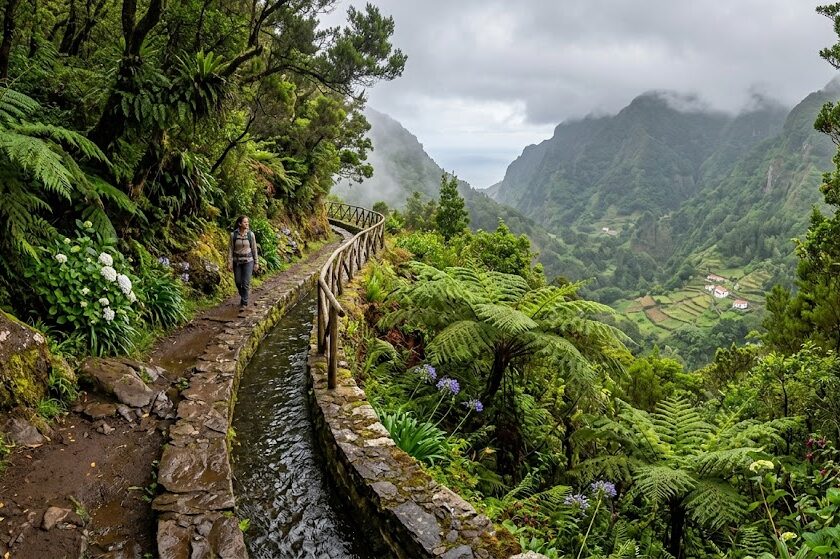
Ideal for: beach days, boat trips, water sports, levada walks.
Autumn (September to November)
September still feels like summer, with sea temperatures peaking and plenty of sun. By October and November, days start to cool slightly, and some rainfall may occur — but nothing that ruins a holiday.
Expect temperatures from 20°C to 25°C in early autumn, dropping slightly later in the season.
Ideal for: wine festivals, hiking, cultural events.
Winter (December to February)
Winter in Madeira is mild, especially compared to mainland Europe. On the coast, temperatures stay between 16°C and 20°C, while the mountains may experience cooler days and occasional mist.
Rain is more common but usually falls in short bursts.
Ideal for: nature exploration, winter sun getaways, local gastronomy.
Microclimates: A Small Island with Big Weather Variety
One of the most fascinating aspects of Madeira is its microclimates.
In a single day, you might experience warm sun in Funchal, fog in the mountains, light rain in the north and wind on the eastern coast.
- Funchal (South Coast): Generally warmer, sunnier and drier.
- Santana and São Vicente (North Coast): More humidity and rain.
- Ponta de São Lourenço (East): Often windy and dry.
- Paul da Serra (Mountains): Cooler, windier, sometimes foggy or cloudy.
This variety allows travellers to choose their preferred conditions — or chase the sun around the island, which many locals do!
What to Pack for Your Trip
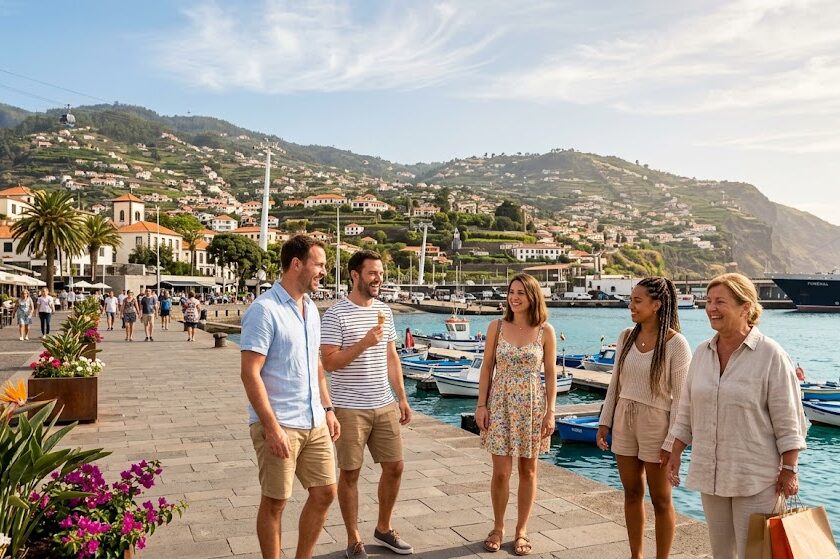
- Year-round: light layers, comfortable walking shoes, sunscreen.
- Spring/Autumn: a waterproof jacket, a sweater for cooler evenings.
- Winter: a warmer jacket (especially for mountain trips), umbrella.
- Summer: light clothing, swimsuit, hat, sunglasses.
No matter the season, pack for variety — a sunny morning can turn into a misty afternoon if you venture into higher altitudes.
What to Pack for Your Trip
- Year-round: light layers, comfortable walking shoes, sunscreen.
- Spring/Autumn: a waterproof jacket, a sweater for cooler evenings.
- Winter: a warmer jacket (especially for mountain trips), umbrella.
- Summer: light clothing, swimsuit, hat, sunglasses.
No matter the season, pack for variety — a sunny morning can turn into a misty afternoon if you venture into higher altitudes.
Best Time to Visit Madeira
There’s no bad time to visit Madeira — it truly depends on your interests:
- For levada walks and nature, spring and autumn are ideal.
- For beaches and sea adventures, summer is perfect.
- For cultural events, consider April (Flower Festival), June (Atlantic Festival), or December (Christmas lights and New Year fireworks).
- For escaping cold winters, December to February offers a gentle climate with fewer crowds.
Conclusion
Madeira’s weather is one of its greatest assets — it’s friendly, balanced and full of surprises. Whether you’re looking for sun-drenched beach days, lush green hikes, or a peaceful winter break, the island’s climate adapts to every traveller.
With a suitcase packed for a bit of everything and a flexible mindset, you’re sure to enjoy whatever Madeira brings your way — and leave already planning your return.