Funchal Zones: Stunning, Affordable Slow-Speed Revolution
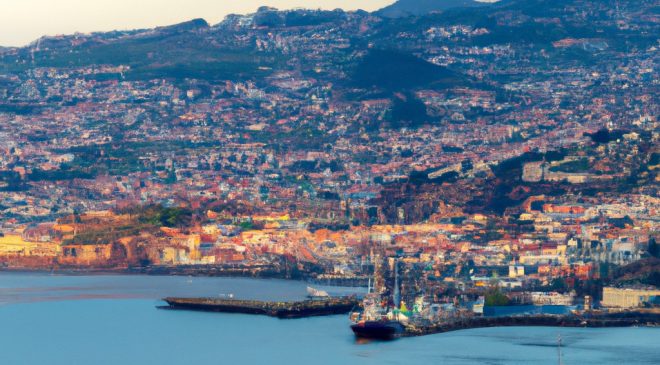
Nestled on the picturesque island of Madeira, Funchal is not only the capital but also a testament to innovation and sustainability. Its transformation through the implementation of “slow-speed zones” is capturing attention worldwide. This initiative blends tourism, sustainability, and urban design, enhancing both life quality and economic opportunities.
Historical Context
Funchal’s rich history, dating back to its founding in 1424, has been one of adaptability and growth. Traditionally dependent on agriculture, particularly sugarcane, the city has evolved significantly, with tourism now at its core. The recent population surge and increased tourism have necessitated infrastructure evolution—spurring innovative solutions such as slow-speed zones.
The Birth of Slow-Speed Zones
Initiated in 2015, the slow-speed zones emerged as a response to growing traffic, pollution, and the need for pedestrian-centric urban spaces. Inspired by similar European models, Funchal’s authorities aimed to reduce vehicle emissions, promote local businesses, and enhance the pedestrian experience. By setting maximum speed limits to 30 km/h in designated areas, they aimed to create safer, more attractive environments.
Current Developments
The project’s success is evident in key areas like the Old Town, where charming cobblestone streets are now havens for pedestrians. By working closely with urban planners and community stakeholders, Funchal has enhanced public safety and accessibility while preserving historical charm. The zones encourage cycling and walking, significantly reducing carbon emissions.
Economic Impact
Business owners, initially skeptical, have reported increased foot traffic and sales—a testament to the project’s economic viability. Improved air quality and scenic streetscapes boost Funchal’s appeal, attracting more tourists and benefiting local enterprises.
Expert Insights
Dr. Clara Silva, an urban development expert, emphasizes the project’s dual achievement of ecological and economic goals. “Funchal’s model exemplifies sustainable urban planning, balancing tourist influx with environmental stewardship,” she notes. Similarly, local entrepreneur João Marques describes the transformation as “a rare blend of modernity and tradition.”
Community Reception
Residents applaud the enhanced urban spaces, stating increased safety and quality of life. The zones foster community interactions and outdoor activities, contributing positively to mental and physical well-being. Critics, however, urge continued monitoring to ensure traffic diversion doesn’t negatively impact other areas.
Challenges and Future Directions
Despite successes, challenges remain—managing traffic flow, ensuring accessibility, and maintaining infrastructure are paramount. Future plans include expanding the zones and integrating technological solutions like smart traffic management to address these issues.
Conclusion
Funchal’s slow-speed revolution is an exemplary tale of thoughtful urban planning. It not only enhances local life but also sets a precedent for cities worldwide facing similar challenges. As Funchal explores further innovations, its journey offers valuable lessons in sustainable development and urban resilience.